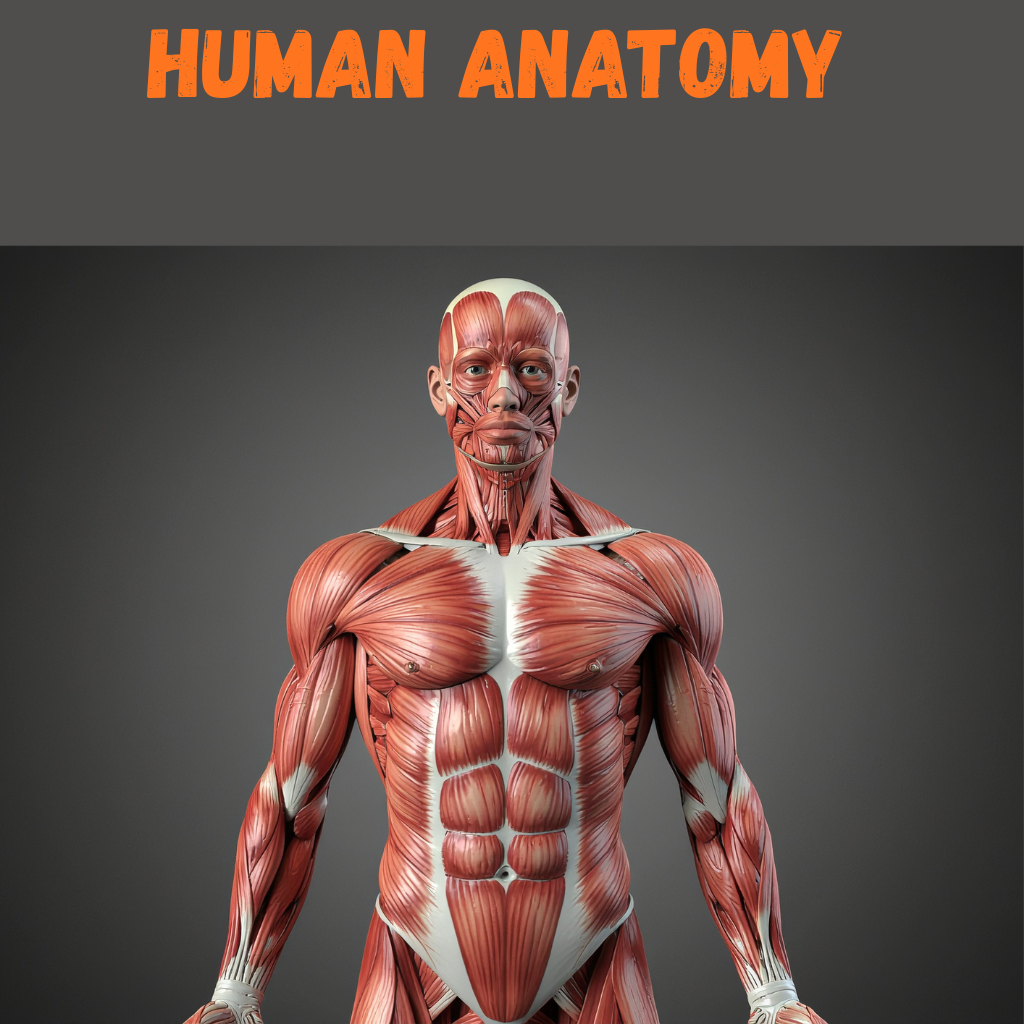
Introduction When most people think about muscles, they imagine athletes, bodybuilders, or fitness enthusiasts lifting heavy weights. However, human muscles are much more than a symbol of physical strength. They are the foundation of movement, energy, health, and overall well-being. Every step you take, every breath you draw, and even every heartbeat depends on the incredible work of your muscles. Strong muscles do more than improve appearance—they help protect your body, boost your metabolism, increase energy levels, and support long-term health. At THERAVEDA, we believe that understanding your body is the first step toward living a healthier and more fulfilling life. In this article, we’ll explore how human muscles transform your health, energy, and life from the inside out. Understanding Human Muscles The human body contains more than 600 muscles, making up approximately 40% of total body weight. These muscles work together to support movement, maintain posture, and perform countless essential functions. There are three primary types of muscles: 1. Skeletal Muscles These muscles are attached to bones and help you move voluntarily. Walking, running, lifting, and exercising all rely on skeletal muscles. 2. Cardiac Muscle Found only in the heart, cardiac muscle works continuously to pump blood throughout the body. 3. Smooth Muscles These muscles are located inside organs such as the stomach, intestines, and blood vessels, helping regulate automatic bodily functions. Each type plays a critical role in keeping your body functioning efficiently every day. Understanding Human Muscles The human body contains more than 600 muscles, making up approximately 40% of total body weight. These muscles work together to support movement, maintain posture, and perform countless essential functions. There are three primary types of muscles: 1. Skeletal Muscles These muscles are attached to bones and help you move voluntarily. Walking, running, lifting, and exercising all rely on skeletal muscles. 2. Cardiac Muscle Found only in the heart, cardiac muscle works continuously to pump blood throughout the body. 3. Smooth Muscles These muscles are located inside organs such as the stomach, intestines, and blood vessels, helping regulate automatic bodily functions. Each type plays a critical role in keeping your body functioning efficiently every day. Understanding Human Muscles The human body contains more than 600 muscles, making up approximately 40% of total body weight. These muscles work together to support movement, maintain posture, and perform countless essential functions. There are three primary types of muscles: 1. Skeletal Muscles These muscles are attached to bones and help you move voluntarily. Walking, running, lifting, and exercising all rely on skeletal muscles. 2. Cardiac Muscle Found only in the heart, cardiac muscle works continuously to pump blood throughout the body. 3. Smooth Muscles These muscles are located inside organs such as the stomach, intestines, and blood vessels, helping regulate automatic bodily functions. Each type plays a critical role in keeping your body functioning efficiently every day.
- +91 8865869078
- info@theraveda.shop
- Krishna Nagar New Delhi 110051